
Glycerin Soap Benefits, Uses & Tips
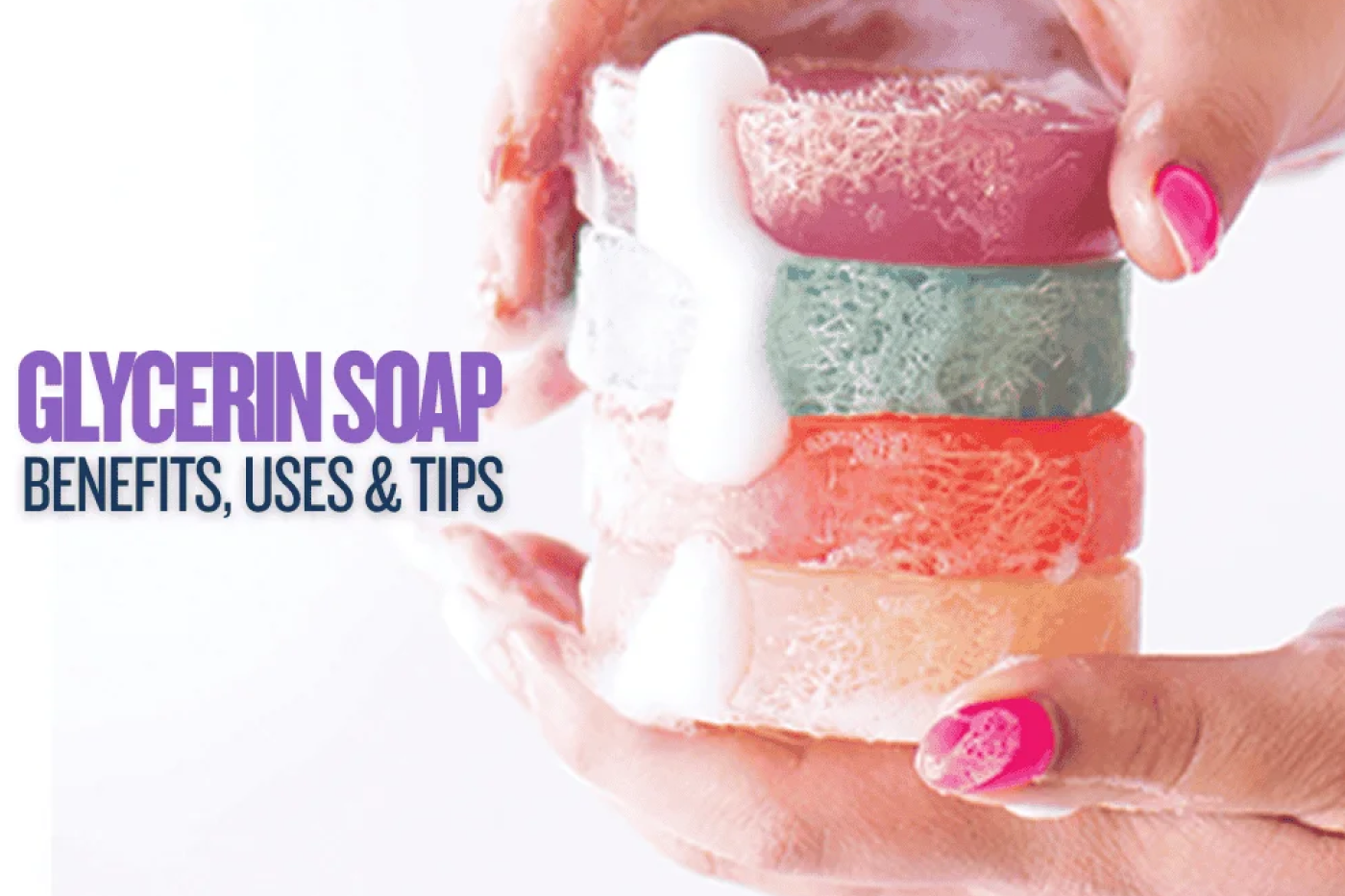
If you’re looking for a gentle, moisturizing, and skin-friendly soap, glycerin soap is a beauty essential you should know about. Packed with skin benefits, this type of soap is often recommended for sensitive, dry, or problematic skin. In this guide, we’ll cover what glycerin is, its benefits, potential drawbacks, how to use it, and even how to make it at home.
What is Glycerin?
Glycerin, also known as glycerol, is a clear, colorless, odorless liquid derived from plant-based oils or animal fats. It naturally occurs in fermented products like beer, wine, and bread.
Discovered by accident in 1779 by a Swedish chemist heating olive oil, glycerin has been widely used in soap-making since the mid-19th century. The process involves heating plant oils, allowing the solution to cool, and forming a pure glycerin soap bar that retains its moisturizing properties.
Today, glycerin is also one of the most common ingredients in moisturizers, lotions, and skincare products, thanks to its unique ability to draw moisture into the skin.
Benefits of Glycerin Soap
Unlike many over-the-counter soaps that contain alcohol, synthetic fragrances, or harsh chemicals, pure glycerin soap is all-natural, making it vegan-friendly and suitable for sensitive skin.
Here’s why it’s so popular:
1. Locks in Moisture
Glycerin is a humectant, meaning it pulls water into the outer layer of your skin from the deeper layers or the surrounding air. This helps hydrate the skin and prevent dryness.
2. Gentle for Sensitive Skin
It’s free from harsh chemicals, making it ideal for conditions like:
- Eczema (dermatitis)
- Psoriasis
- Rosacea
- Dry skin
- Acne-prone skin
3. Non-Greasy
Even though it hydrates deeply, glycerin has a lightweight texture that works well for oily or combination skin.
4. Improves Skin Barrier Function
Research suggests glycerin can protect against skin irritants and accelerate wound healing.
Is Glycerin Soap Hypoallergenic?
Hypoallergenic means a product is less likely to cause an allergic reaction. While pure glycerin is generally nontoxic and environmentally friendly, the U.S. FDA does not regulate the term “hypoallergenic.”
This means some over-the-counter glycerin soaps may contain additives like fragrances or dyes that could cause irritation. To be safe, always:
Do a patch test:
- Apply a small amount to your inner forearm.
- Rinse as directed.
- Wait 24–48 hours to see if irritation occurs.
If there’s no redness or itching, it’s likely safe for regular use.
Drawbacks to Consider
While glycerin soap is safe for most skin types, there are a few points to note:
- May not suit very oily skin: Its humectant properties could make oily skin feel sticky.
- Melts easily: Glycerin absorbs water quickly, so store it in a dry place to make it last longer.
- Higher cost: Pure glycerin soap is often more expensive than synthetic varieties.
- DIY takes time: Making it at home is rewarding but can be time-consuming.
How to Use Glycerin Soap
You can use glycerin soap daily, whether for your face, body, or hands. Like any soap, avoid getting it into your eyes, as it may cause stinging.
For best results:
- Wet your skin with lukewarm water.
- Apply the soap in circular motions.
- Rinse thoroughly and pat dry.
Choosing the Best Over-the-Counter Glycerin Soap
When buying OTC glycerin soap, check the ingredient label:
- Look for transparency – Pure glycerin soap is clear and fragrance-free.
- Avoid unnecessary additives – Extra dyes, fragrances, or synthetic ingredients may cause irritation.
- Go for reputable brands – Especially if you have sensitive skin.
How to Make Glycerin Soap at Home
DIY glycerin soap allows you to control ingredients and save money. Here’s a basic process:
You’ll need:
- Lye (handle with care)
- Distilled water
- Plant oils (coconut, olive, or vegetable oil)
- Liquid glycerin
- Alcohol (optional for clarity)
Steps:
- Wearing gloves and safety glasses, sprinkle lye into distilled water (never water into lye).
- Add the lye solution to the plant oils.
- Heat on a stove or in a slow cooker.
- Add glycerin and alcohol.
- Pour into molds and allow to cool for several days.
Glycerin for Face and Skin
For the face: Glycerin is excellent for hydration but must be diluted. Undiluted glycerin can draw too much water from the skin, causing dryness or blistering.
Best practice:
- Mix with rosewater for a soothing facial toner.
- Use glycerin-based creams or soaps for everyday skincare.
For the skin: It’s especially beneficial for dry patches, cracked heels, and winter skin dryness.
Other Uses of Glycerin
Beyond skincare, glycerin is also used as:
- A laxative to treat constipation
- A sweetening agent in food
- A preservative in pharmaceuticals
- A thickening agent in cosmetics
The FDA recognizes glycerin as safe, making it a versatile and widely used ingredient.
Tips for Buying Glycerin Soap
- Choose pure glycerin soap if you have sensitive skin.
- Avoid synthetic additives if you’re prone to allergies.
- Store bars in a cool, dry place to extend shelf life.
Glycerin soap is a gentle, hydrating, and eco-friendly alternative to conventional soaps. It works for all skin types, especially dry and sensitive skin, and can even help manage conditions like eczema and psoriasis.
Whether you buy it over the counter or make it at home, choosing a pure glycerin formula ensures you enjoy its full skincare benefits.

Leave a comment
This site is protected by hCaptcha and the hCaptcha Privacy Policy and Terms of Service apply.